Dental Emergency? Call Us First
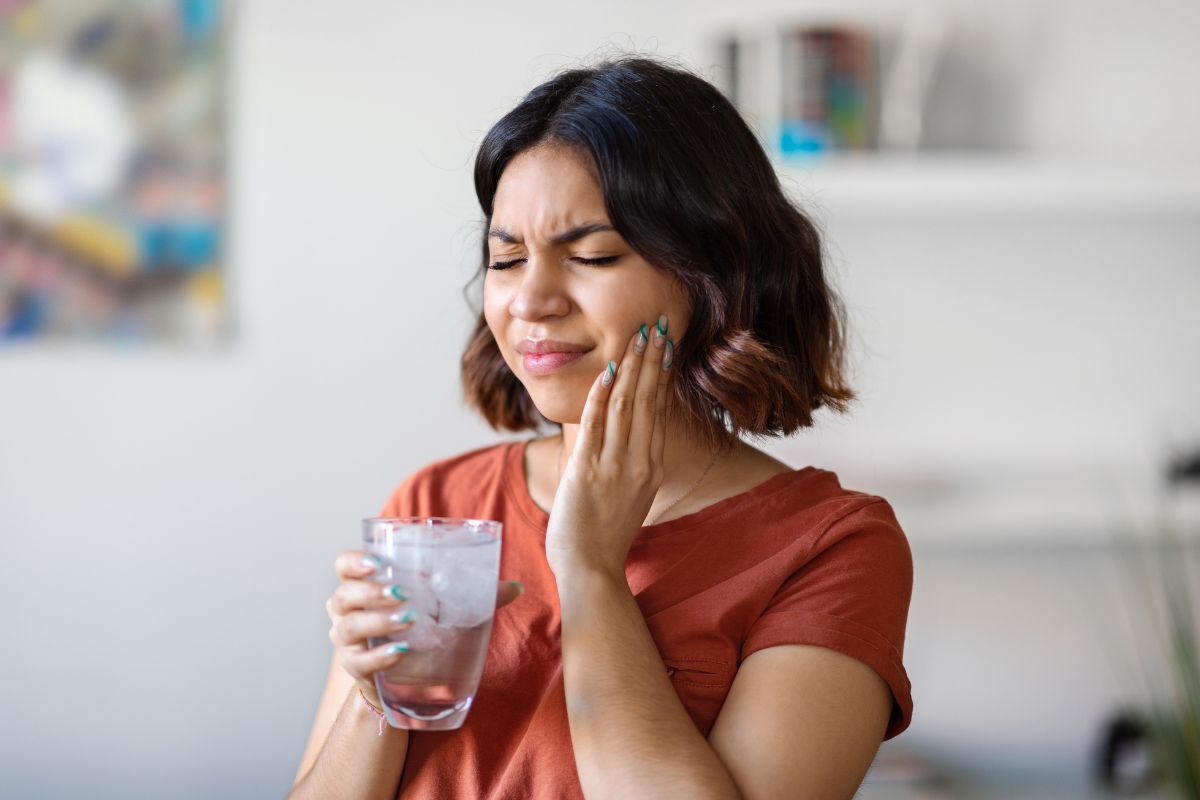
That sharp, sudden zapping pain when you sip ice water or enjoy a scoop of ice cream can instantly ruin a refreshing moment. If you have ever wondered, “Why do my teeth sting when I drink cold water?” you are not alone. Tooth sensitivity—known medically as dentin hypersensitivity—is one of the most common complaints patients bring to our team at Whispering Ridge Family Dentistry.
While a quick flare-up might seem like a temporary inconvenience, lingering tooth sting is often your mouth’s way of sending an early warning sign. Understanding what triggers that sudden chill—and how to stop it—can help you protect your smile, eat and drink comfortably, and avoid more complex dental issues down the road.
How Tooth Sensitivity Works: The Science Behind the Sting
To understand why cold water makes your teeth sting, it helps to look at the anatomy of a tooth. A healthy tooth consists of three main layers:
- Enamel: The hard outer protective shell that covers the visible part of the tooth. Enamel is the strongest substance in the human body, designed to shield inner layers from temperature changes and mechanical stress.
- Dentin: The softer layer beneath the enamel. Dentin contains microscopic tubes (dentinal tubules) that lead directly to the innermost part of the tooth.
- Pulp: The nerve center at the core of the tooth, containing blood vessels and sensitive nerve endings.
When your enamel thins out, or your gum line recedes, the underlying dentin becomes exposed. When cold water hits exposed dentin, fluid inside those tiny tubules moves rapidly, stimulating the nerve inside the pulp and triggering that sharp, stinging sensation.
Primary Causes of Cold Tooth Sensitivity
Tooth sensitivity rarely happens without a reason. Identifying the root cause is the first step toward finding long-term relief.
1. Enamel Erosion
Enamel protects your teeth from extreme temperatures, but once it wears away, it does not regenerate naturally. Common culprits behind enamel erosion include:
- Acidic Diets: Regular consumption of soda, citrus fruits, sports drinks, and wine strips minerals from your enamel over time.
- Aggressive Brushing: Using a hard-bristled toothbrush or scrubbing too vigorously can physically wear down enamel layers.
- Gastroesophageal Reflux (GERD) or Frequent Vomiting: Stomach acids entering the mouth quickly erode protective tooth structures.
2. Gum Recession and Periodontal Disease
Your gums act as a natural blanket covering the delicate root surfaces of your teeth. Root surfaces lack enamel protection and are instead covered by a thinner layer called cementum.
- Over-brushing or Aging: Gentle wear over time can cause gums to pull back.
- Gum Disease: Plaque buildup leads to inflammation (gingivitis) and progressive tissue loss (periodontitis), leaving roots fully exposed to temperature changes.
3. Tooth Decay and Worn Fillings
Cavities break through the enamel barrier, opening a direct pathway for cold liquids to reach inner nerve pathways. Similarly, old dental restorations, such as aged fillings or crowns, can develop microscopic leaks around their margins over time, allowing cold water to seep underneath.
4. Teeth Grinding (Bruxism)
Clenching or grinding your teeth—especially while sleeping—puts immense pressure on your enamel. Over time, this habit creates micro-cracks in the enamel or causes enamel to chip away near the gumline (known as abfraction lesions), leading to heightened sensitivity.
5. Recent Dental Treatments
If you recently had a professional dental cleaning, deep scaling, cavity filling, or teeth whitening treatment, temporary sensitivity is completely normal. Dental procedures can temporarily agitate nerve endings or expose previously covered dentin. This type of sensitivity typically subsides within a few days to a couple of weeks.
6. Cracked or Chipped Teeth
A crack in a tooth can open up whenever you bite down or drink cold liquids. Cold water entering a hairline fracture directly stimulates the pulp, causing sharp, localized pain.
When Is Tooth Sensitivity an Emergency?
Not all sensitivity requires immediate urgent care, but certain symptoms indicate that a simple sting may be turning into a serious underlying infection or severe damage.
| Symptom | What It Usually Means | Urgency Level |
| Brief sting (1–2 seconds) | Mild enamel wear or slight gum recession | Schedule a routine visit with an expert dentist |
| Lingering pain (>15–30 seconds) | Deep decay, pulp inflammation, or cracked tooth | Contact a dentist near you promptly |
| Throbbing, spontaneous pain | Advanced nerve damage or abscess formation | Requires immediate emergency evaluation |
| Pain accompanied by swelling or fever | Active bacterial infection spreading in tissue | Seek urgent dental care immediately |
If cold water leaves your tooth aching for minutes after you take a sip, or if you notice visible swelling along your gums, do not wait for the pain to pass on its own.
Effective At-Home Remedies and Prevention Tips
If your sensitivity is mild and generalized, making simple adjustments to your daily oral hygiene routine can provide significant relief:
- Switch to Desensitizing Toothpaste: Formulated with active compounds like potassium nitrate or stannous fluoride, these toothpastes help block the microscopic pathways leading to your nerves. For best results, use desensitizing toothpaste twice daily for at least two to four weeks.
- Use a Soft-Bristled Toothbrush: Always choose soft or extra-soft bristles. Hold your brush at a 45-degree angle to your gums and use gentle, circular motions rather than sawing back and forth.
- Limit Acidic Foods and Beverages: Reduce your intake of citrus juices, carbonated beverages, and energy drinks. When you do enjoy them, use a straw to minimize direct contact with your teeth, and rinse your mouth with water immediately after.
- Wait Before Brushing After Meals: Acids temporarily soften your enamel. Wait at least 30 minutes after eating acidic foods before brushing to prevent rubbing away softened enamel.
- Wear a Custom Nightguard: If you grind your teeth at night, a custom-fitted mouthguard protects your enamel from destructive friction while you sleep.
Professional In-Office Treatments for Lasting Relief
At-home care works well for minor sensitivity, but structural causes like cavities, gum disease, or severe wear require professional care. When you visit our dental office, we evaluate your smile to deliver targeted solutions:
- In-Office Fluoride Varnishes: Concentrated fluoride treatments strengthen weakened enamel and block dentinal tubules quickly.
- Dental Bonding and Sealants: Exposed root surfaces or worn areas near the gumline can be coated with a tooth-colored composite resin to cover exposed dentin.
- Custom Restorations: Replacing worn fillings or placing a protective crown restores structural integrity to damaged or cracked teeth.
- Periodontal Therapies: Deep cleanings (scaling and root planing) eliminate infection and promote healthy gum attachment.
- Root Canal Therapy: For teeth with deep, persistent nerve pain caused by irreversible pulpitis or infection, a root canal removes the inflamed tissue, resolving sensitivity permanently while saving your natural tooth.
Frequently Asked Questions
1. Can tooth sensitivity go away on its own?
Mild sensitivity caused by recent dental work or temporary enamel irritation often resolves on its own within a few days or weeks. However, sensitivity caused by cavities, cracked teeth, or gum recession will not go away without professional intervention and will likely worsen over time.
2. Why is only one of my teeth sensitive to cold water?
When sensitivity is isolated to a single tooth, it usually points to a localized structural issue—such as a cavity, a cracked tooth, a leaking filling, or localized gum recession—rather than generalized enamel wear.
3. Is desensitizing toothpaste safe for daily long-term use?
Yes. Desensitizing toothpastes are safe for daily use and work best when used continuously. Stopping use can cause nerve channels to reopen and sensitivity to return.
4. Can whitening products make my teeth sting?
Yes. Hydrogen peroxide and carbamide peroxide used in whitening gels penetrate enamel to break down stains, temporarily opening dentinal tubules and irritating nerve tissue. Sensitivity from whitening is usually temporary and resolves shortly after completing treatment.
Restore Comfort to Your Smile with Whispering Ridge Family Dentistry
Drinking a glass of cold water shouldn’t come with a surge of discomfort. You don’t have to live with sensitive teeth or guess what is causing your symptoms. Finding lasting relief starts with a comprehensive evaluation from a trusted dental team that understands your unique needs.
At Whispering Ridge Family Dentistry, we combine compassionate, locally focused care with advanced technology to pinpoint the exact source of your discomfort and provide comfortable, personalized solutions. Whether you need a fluoride treatment, a gentle deep cleaning, or a simple restoration, we are here to help you enjoy your favorite food and drinks worry-free once again.
If you are looking for a reliable dentist near you, take the first step toward a pain-free smile today. Book an appointment with our expert team at Whispering Ridge Family Dentistry or call our office to schedule your consultation!