Dental Emergency? Call Us First

If your dentist has referred you for periodontal treatment, you may be feeling a mix of relief and uncertainty. Relief because a problem has been identified, and uncertainty because you are not entirely sure what comes next. The good news is that modern periodontics has come a long way, and today’s gum disease treatments are more comfortable, more precise, and more effective than ever before. For patients seeking Periodontics Hillsborough, understanding every stage of the process can make your journey far less stressful and far more successful.
Periodontal disease affects the structures that support your teeth, including the gums, ligaments, and bone. Left untreated, it can lead to tooth loss and has been linked to serious systemic health conditions such as heart disease and diabetes. The earlier treatment begins, the better the outcome, which is why understanding your treatment plan from start to finish matters so much.
The Initial Periodontal Evaluation: Building Your Baseline
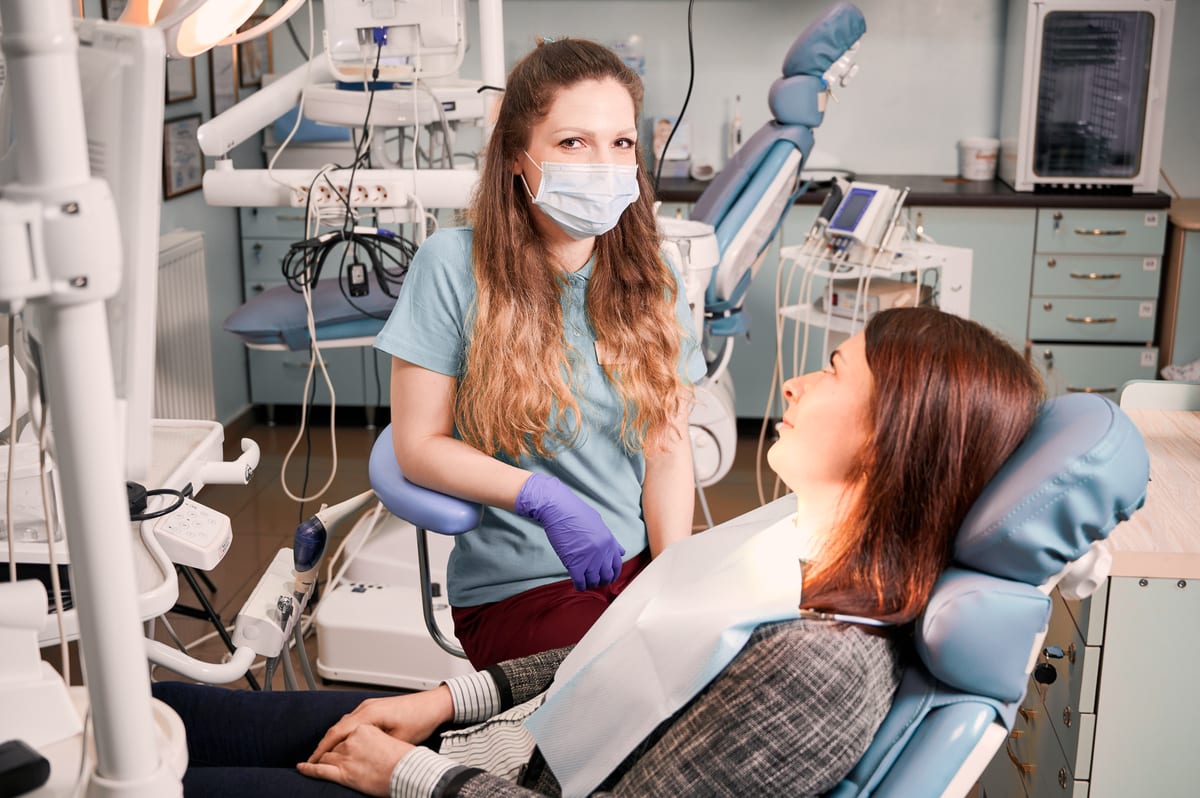
Every periodontal journey begins with a thorough evaluation. During this first visit, your dental provider will perform a comprehensive periodontal exam to assess the current health of your gums and surrounding bone structure. This is not your standard cleaning appointment. It is a detailed diagnostic session designed to give your care team a precise picture of what is happening beneath the gumline.
Using a small instrument called a periodontal probe, your provider will measure the depth of the pockets between each tooth and the surrounding gum tissue. Healthy pockets typically measure between one and three millimeters. Deeper pockets indicate the presence of disease. Digital X-rays will also be taken to evaluate bone levels and detect any bone loss that may not be visible to the naked eye.
Your provider will also review your medical history, medications, and lifestyle habits, since factors like smoking and certain health conditions can significantly influence gum health and healing. By the end of this appointment, you will have a clear diagnosis and a customized treatment plan.
Scaling and Root Planing: The Foundation of Non-Surgical Treatment
For most patients with moderate to advanced gum disease, the first line of active treatment is a procedure called scaling and root planing, commonly referred to as a deep cleaning. Unlike a routine cleaning that focuses on the surfaces above the gumline, scaling and root planing goes deeper to remove tartar, bacterial deposits, and toxins from the root surfaces of your teeth.
Here is what you can expect during this phase:
- Local anesthesia is administered to ensure you are comfortable throughout the procedure, which is typically divided into two or more appointments to treat different sections of the mouth.
- Scaling involves using specialized instruments to carefully remove hardened deposits from the tooth surfaces and root areas below the gumline.
- Root planing smooths the root surfaces so that gum tissue can reattach more effectively and bacteria have fewer places to cling.
- Antibiotic therapy may be placed directly into the pockets to help eliminate persistent bacterial infections.
- Post-procedure instructions are provided to help you manage any temporary sensitivity and support healing at home.
Most patients experience some sensitivity and mild soreness for a few days following each session. Over-the-counter pain relievers and a soft-food diet can help manage discomfort during recovery. The gums will begin to firm up and heal over the following weeks, and many patients notice significant improvement in how their mouth looks and feels.
Re-Evaluation and Advanced Treatment Options
Approximately four to six weeks after your scaling and root planing is complete, you will return for a re-evaluation appointment. This is a critical step that many patients do not fully anticipate. During this visit, your provider will re-measure your pocket depths and compare them to the baseline measurements taken at your initial exam.
For many patients, non-surgical treatment is highly effective, and pocket depths will have decreased significantly. The gum tissue will appear healthier, bleeding will be reduced, and overall inflammation will be much improved. These patients can then transition to a maintenance program tailored to their specific needs.
However, if certain areas have not responded adequately to deep cleaning, surgical options may be recommended. These can include:
- Pocket reduction surgery (osseous surgery), which allows the provider to access deeper areas of the root and bone that cannot be fully reached with non-surgical tools.
- Bone grafting, which helps regenerate bone that has been lost due to advanced disease, supporting tooth stability.
- Gum grafting, which addresses gum recession to protect exposed root surfaces and improve the appearance of the gumline.
- Guided tissue regeneration, which uses special membranes to encourage the regrowth of lost bone and connective tissue.
If you have questions about which path is right for your situation, the team at Whispering Ridge Dentistry is here to walk you through every option and help you make an informed, confident decision about your care.
Periodontal Maintenance: Protecting Your Long-Term Results
One of the most important things to understand about periodontal treatment is that it is not a one-time event. Once you have been treated for gum disease, you are always at a higher risk for recurrence compared to someone who has never had the condition. This is because the bacteria responsible for periodontal disease never disappear entirely. Keeping them in check requires consistent, ongoing professional care in the form of periodontal maintenance appointments.
Periodontal maintenance visits are typically recommended every three to four months rather than the standard six-month interval. During these appointments, your provider will clean both above and below the gumline, re-probe your pockets to monitor for any changes, and take any necessary X-rays to track bone levels over time. These visits are also an opportunity to reinforce your home care routine, which is just as important as professional treatment.
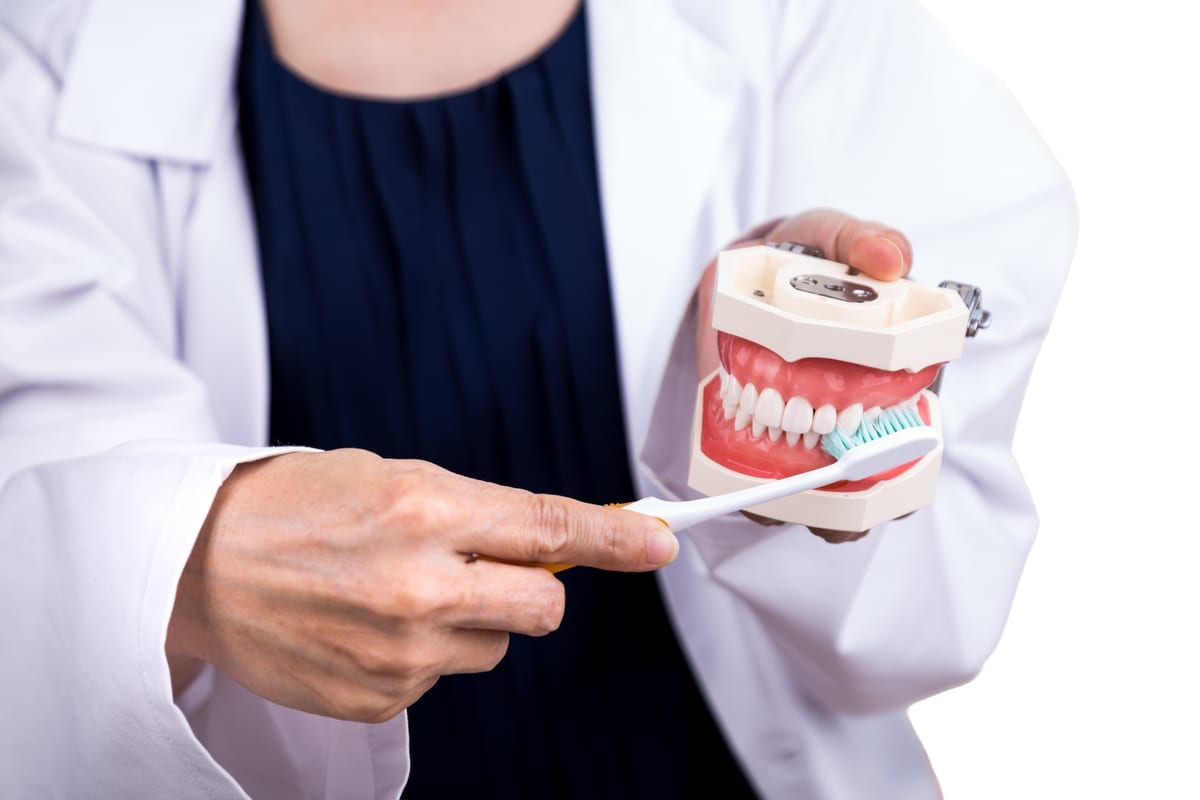
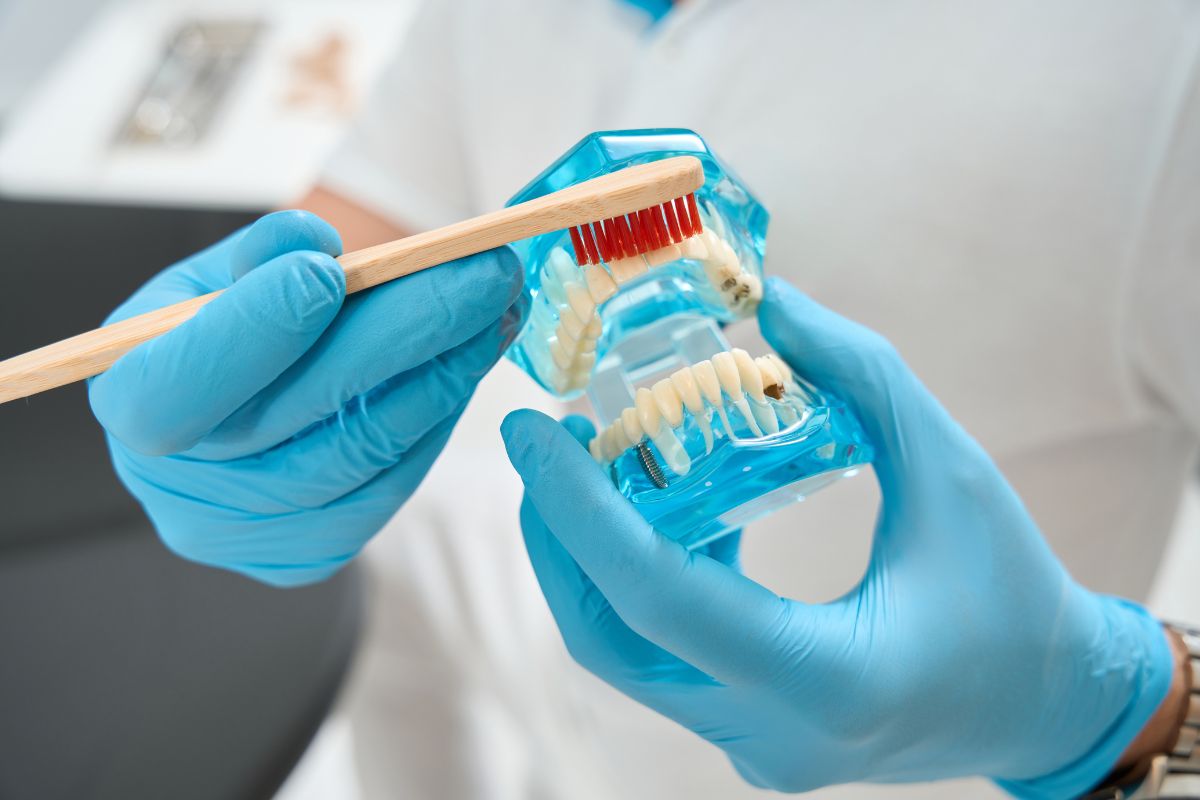
Excellent at-home hygiene habits make a significant difference in long-term outcomes. Your care team will guide you on proper brushing technique, flossing, and the use of adjunctive tools such as water flossers or interdental brushes that can help you clean between teeth and along the gumline more effectively.
Patients who stay committed to their maintenance schedule and home care routine enjoy far better results over the long term. Many people successfully maintain their natural teeth for decades after receiving periodontal treatment, simply by staying consistent with their care.
What You Can Do Right Now to Support Your Gum Health
While professional treatment is essential, your daily choices play an equally powerful role in your periodontal outcomes. Quitting smoking is one of the most impactful steps a patient can take, as tobacco use significantly slows healing and increases the risk of disease recurrence. Managing systemic health conditions, eating a balanced diet, staying hydrated, and reducing stress all contribute to healthier gum tissue and a stronger immune response.
Do not underestimate the power of early action. If you have been told you have early signs of gum disease or are overdue for a dental checkup, reaching out sooner rather than later can mean the difference between a straightforward treatment and a more complex, lengthy process.
Frequently Asked Questions
How do I know if I need periodontal treatment?
Common signs that you may need periodontal treatment include bleeding gums when brushing or flossing, persistent bad breath, gums that appear red or swollen, teeth that feel loose, and gums that seem to be pulling away from the teeth. However, periodontal disease can also be present without obvious symptoms, which is why regular dental exams with periodontal screenings are so important. A professional evaluation is the only way to know for certain.
Is periodontal treatment painful?
Most patients are surprised by how manageable periodontal treatment is. Local anesthesia is used during scaling and root planing to keep you comfortable throughout the procedure. Some sensitivity and mild soreness are normal in the days following treatment, but these symptoms typically resolve quickly. Surgical procedures, if needed, also use anesthesia and are accompanied by detailed aftercare instructions to support a smooth recovery.
How long does periodontal treatment take?
The total length of treatment depends on the severity of the disease and how your gums respond to initial therapy. Scaling and root planing is usually completed over two to four appointments spanning a few weeks. After a healing period of four to six weeks, your re-evaluation determines whether additional treatment is needed. From start to initial resolution, the active treatment phase often takes two to four months in total.
Can gum disease come back after treatment?
Yes, periodontal disease can recur, which is why ongoing maintenance care is such a critical part of the treatment plan. Once you have had gum disease, you will always be more susceptible to it than someone who has not. Attending your periodontal maintenance appointments every three to four months, maintaining excellent home care habits, and making healthy lifestyle choices are all essential to keeping the disease from returning and preserving your results long term.