Dental Emergency? Call Us First
Most people in Omaha brush their teeth every single day. Yet many still develop gum problems, sensitivity, and recession. Understanding why your brushing technique is likely causing gum damage starts with honest self-reflection. The habits you learned as a child may actually be working against your oral health right now.
At Whispering Ridge Family Dentistry, Dr. Falon Pulfer sees this pattern constantly. Patients arrive with worn enamel and receding gums, and most have no idea their brushing caused it. The good news is that correcting your technique can make a significant difference.
The Most Common Brushing Mistakes That Damage Gums
Brushing too hard is the number one mistake Dr. Pulfer identifies in patients. Many people assume that more pressure means cleaner teeth. In reality, aggressive scrubbing strips away gum tissue and wears down enamel over time.
Another common error is using a back-and-forth sawing motion. This horizontal scrubbing creates notches at the gumline. Those notches are visible signs of long-term mechanical damage that no whitening treatment can reverse.
Many Omaha patients also brush for less than 60 seconds. The American Dental Association recommends two full minutes. Rushing through your routine leaves plaque untouched in the places that matter most.
Here are the most frequent technique errors our Omaha dentists see in our patients:
- Pressing too hard against the gumline
- Using a hard-bristled toothbrush
- Brushing in a horizontal sawing motion
- Skipping the gumline entirely
- Spending less than two minutes per session
- Neglecting the inner surfaces of back teeth
Why Your Brushing Technique Is Likely Causing Gum Damage Without You Knowing
Gum damage from poor brushing does not happen overnight. It builds slowly over months and years. By the time you notice sensitivity or recession, the damage is already significant.
Your gums do not regenerate naturally once they recede. That is why prevention is so much more powerful than treatment. Early gum recession can eventually lead to tooth instability, root exposure, and even tooth loss.
Patients who lose teeth sometimes explore options like dental implants to restore their smile. Others consider dental bridges as a restorative solution. Both options are excellent, but protecting your natural teeth through proper technique is always preferable.
The signs of brushing-related gum damage include:
- Gum line that appears to be pulling away from teeth
- Increased tooth sensitivity to hot or cold
- Visible notching at the base of teeth
- Bleeding that occurs during brushing
- Teeth that appear longer than they used to
Choosing the Right Tools for Safer Daily Brushing
Your toothbrush choice matters more than most people realize. Dentists recommend only soft-bristled brushes for daily use. Medium and hard bristles cause unnecessary abrasion on both enamel and gum tissue.
Electric toothbrushes with pressure sensors are an excellent investment. They alert you when you are pressing too hard. This real-time feedback helps patients break the over-brushing habit faster than manual reminders alone.
Toothpaste choice also affects gum health. Highly abrasive whitening toothpastes can accelerate enamel and gum wear. Ask Dr. Pulfer which toothpaste formulation best suits your needs at your next visit.
Replace your toothbrush every three months. Frayed bristles lose their cleaning effectiveness and can irritate gum tissue. If your bristles look splayed after just one month, you are almost certainly brushing too hard.
The Correct Brushing Technique Dentists Actually Recommend
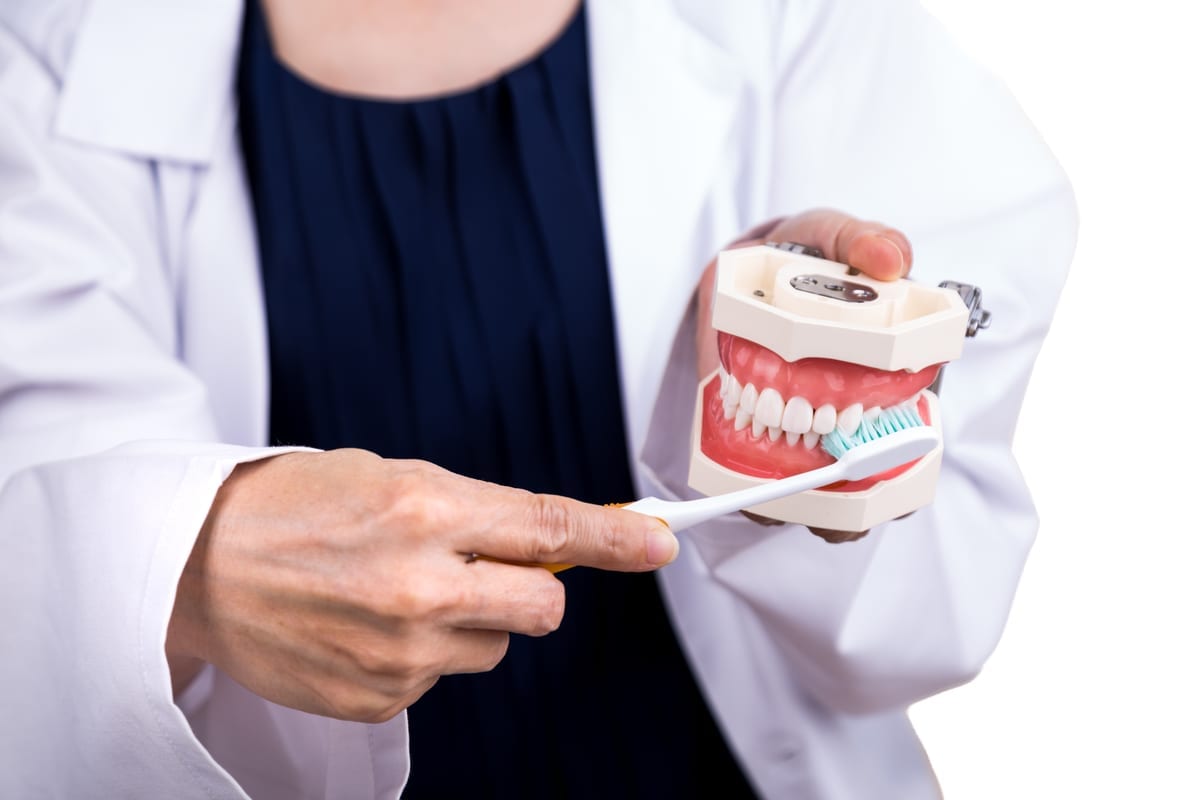
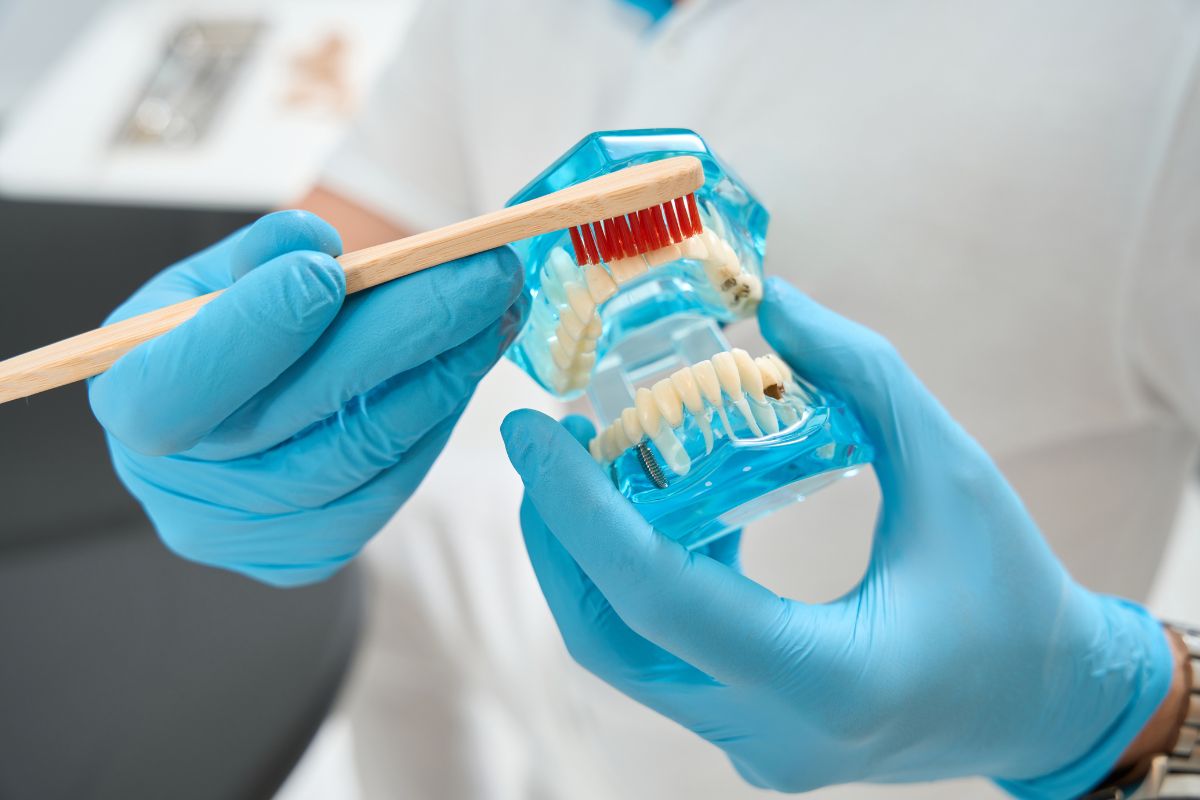
The modified Bass technique is what most dental professionals teach. It is simple to learn and highly effective when practiced consistently. Start by holding your brush at a 45-degree angle toward the gumline.
Use small, circular or gentle back-and-forth strokes no longer than the width of one tooth. Apply only light pressure. The bristles should barely flex against your teeth and gums.
Follow this step-by-step approach for best results:
- Wet your soft-bristled brush and apply a pea-sized amount of toothpaste
- Position the brush at a 45-degree angle to the gumline
- Use small, gentle circular motions across each tooth surface
- Spend at least 30 seconds on each quadrant of your mouth
- Brush the inner surfaces of all teeth, especially lower front teeth
- Finish by gently brushing your tongue to reduce bacteria
Flossing technique matters just as much as brushing. Snapping floss into the gumline can cut gum tissue. Instead, guide the floss gently between teeth and curve it in a C-shape around each tooth before sliding it up and down.
How Regular Dental Visits Support Your At-Home Routine
Even the best brushing technique cannot replace professional care. Tartar buildup occurs even with diligent brushing. Only a dental professional can safely remove hardened calculus from below the gumline.
Dr. Falon Pulfer and the team at Whispering Ridge Family Dentistry provide thorough periodontal evaluations at every checkup. They assess gum depth, look for early recession signs, and coach patients on technique adjustments. These visits are a critical part of your long-term gum health strategy.
Preventive services like teeth cleanings, dental sealants, and periodontal care help protect the progress you make at home. Catching problems early keeps treatment simpler and less invasive. Consistency between home care and professional cleanings is what produces lasting results.
Dr. Pulfer also offers personalized guidance during children’s cleanings and exams. Teaching kids proper technique early prevents years of damaging habits that lead to adult gum problems. Families across Omaha trust Whispering Ridge for this kind of proactive, educational approach.
Conclusion: Small Changes, Lasting Gum Health
The way you brush your teeth shapes your oral health more than almost any other habit. Switching to a soft brush, using proper technique, and taking two full minutes can dramatically reduce your gum recession risk. These are not complicated changes — but they require consistent attention and the right guidance.
If you are concerned about gum recession or want a personalized technique assessment, Dr. Falon Pulfer is ready to help. Whispering Ridge Family Dentistry serves patients throughout Omaha with expert, compassionate care. Schedule your appointment with our team.
Frequently Asked Questions
1. Can brushing too hard really cause permanent gum damage?
Yes, it absolutely can. Aggressive brushing strips away gum tissue over time, and gums do not fully regenerate once they recede. This is why correcting your technique as early as possible is so important for long-term oral health.
2. How do I know if I am brushing too hard?
Check your toothbrush bristles after one month of use. If they are already splayed or frayed, you are applying too much pressure. You may also notice tooth sensitivity or a gumline that appears to be pulling back from your teeth.
3. Is an electric toothbrush better than a manual one for gum health?
Electric toothbrushes with built-in pressure sensors are especially helpful for people who over-brush. They alert you in real time when you press too hard. However, a manual soft-bristled brush used with proper technique is also effective.
4. How often should I visit the dentist to support my gum health?
Most patients benefit from professional cleanings and checkups every six months. If you have active gum concerns, Dr. Pulfer may recommend more frequent periodontal care visits. Regular professional cleanings remove tartar that brushing alone cannot address.
5. At what age should children start learning proper brushing technique?
Parents should begin cleaning children’s teeth as soon as the first tooth appears. By age three, children can start learning to brush with supervision. Whispering Ridge Family Dentistry offers children’s cleanings and exams that include hands-on technique guidance for young patients.