Dental Emergency? Call Us First

If you’ve been asking Invisalign takes how long — and what actually speeds up your results in Hillsborough — you’re not alone. It’s one of the most common questions Dr. Falon Pulfer hears at Whispering Ridge Family Dentistry. The honest answer depends on several factors unique to each patient. Understanding those factors helps you set realistic expectations and get the most from your treatment.
What Is the Average Invisalign Timeline?
For most adults, Invisalign treatment takes between 12 and 18 months. Teens may follow a similar range, depending on the complexity of their case. Minor alignment issues can sometimes resolve in as few as six months. More complex bite corrections or spacing problems can extend treatment to 24 months or beyond.
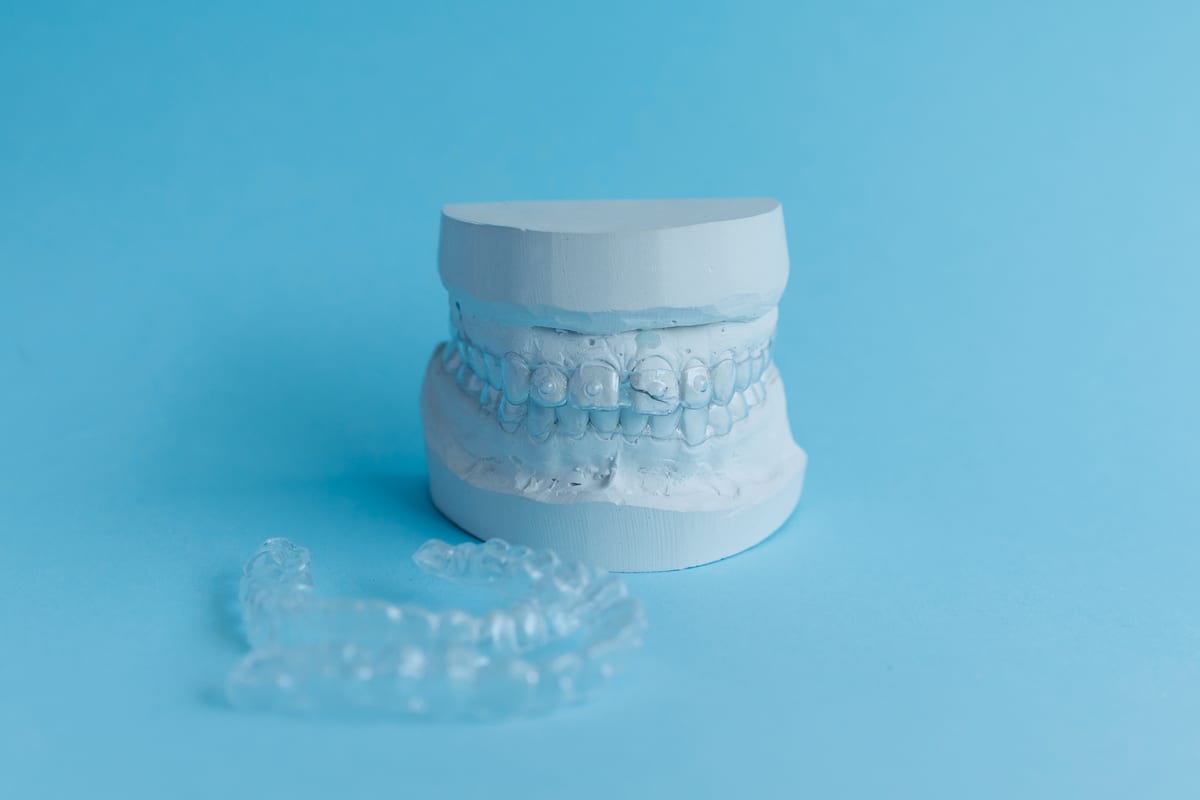
Every Invisalign plan is custom-built from digital scans of your teeth. Dr. Pulfer maps out each aligner stage before treatment even begins. That roadmap gives you a projected end date from day one. Still, real-world results depend heavily on how closely you follow the plan.
What Actually Speeds Up Your Invisalign Results in Hillsborough?
Compliance is the single biggest factor in how fast Invisalign works. Aligners must be worn 20 to 22 hours per day — every single day. Skipping hours adds up quickly and delays your progress. Patients who are consistent almost always finish on schedule or even early.
Several other habits can also accelerate your results:
- Switching to your next aligner tray on time, as directed by Dr. Pulfer
- Keeping all scheduled check-up appointments at Whispering Ridge Family Dentistry
- Cleaning your aligners daily to prevent warping or damage
- Avoiding hot beverages while wearing trays, which can distort the plastic
- Using AcceleDent or Propel devices if recommended by your provider
Some patients in Hillsborough are also candidates for accelerated orthodontic devices. These tools use gentle vibrations or micro-perforations to stimulate bone remodeling. When combined with consistent wear, they can shorten treatment by several months. Ask Dr. Pulfer during your consultation whether you qualify.
What Slows Down Your Invisalign Progress?
Just as good habits speed things up, certain behaviors push your timeline back. The most common culprit is simply not wearing your aligners enough. Even a few hours of missed wear each day compounds over weeks. A two-week aligner stage can easily stretch into four or five weeks.
Here are the most frequent reasons Invisalign treatment takes longer than expected:
- Removing aligners too often during meals or social events
- Losing or breaking a tray and waiting too long to replace it
- Skipping follow-up appointments, which delays tray progression
- Underlying gum or bone health issues that require attention first
- Needing additional refinement aligners due to incomplete tooth movement
Untreated periodontal issues can also extend your timeline significantly. Healthy gums and bone are the foundation of any orthodontic treatment. If gum disease is present, Dr. Pulfer may recommend periodontic care before advancing your aligner stages. Addressing this early protects both your smile and your schedule.
How Your Oral Health Affects the Timeline
Invisalign works by applying consistent, gentle pressure to move teeth through bone. For that process to work efficiently, your oral health must be in good shape. Cavities, inflammation, or structural concerns can all interrupt progress. Getting a comprehensive exam before starting treatment is essential.
Patients who have previously had tooth loss may have additional considerations. Replacing missing teeth with Dental Implants Hillsborough can be important before or after Invisalign, depending on placement. Similarly, if any teeth have existing damage or decay, Dental Crowns Hillsborough may be part of your overall treatment plan. Dr. Pulfer takes a whole-mouth approach to ensure your Invisalign results are both beautiful and lasting.
Bone density and gum attachment also play a role in how quickly teeth move. Younger patients often see faster movement because their bone is still developing. Adult patients typically move more gradually, which is completely normal. Patience and consistency remain the most powerful tools regardless of age.
What Happens After Invisalign Treatment Ends?
Finishing your last aligner tray is a major milestone — but it’s not quite the finish line. Retainer wear is critical to keeping your new smile in place. Without a retainer, teeth naturally shift back toward their original positions. Dr. Pulfer will provide a custom retainer and a clear wear schedule.
Most patients wear retainers full-time for the first few months after Invisalign. Eventually, nighttime-only wear becomes the long-term routine. Staying consistent with your retainer protects every month of effort you invested. Think of it as the final — and ongoing — step of your smile journey.
Regular check-ups after treatment help monitor your results over time. Dr. Pulfer and the team at Whispering Ridge Family Dentistry are here to support you at every stage. Hillsborough patients can count on clear guidance and honest timelines throughout the entire process. Book Now to schedule your appointment with our team.
Frequently Asked Questions
How long does Invisalign take for minor crowding?
Minor crowding cases often take as little as six to twelve months with consistent aligner wear. Dr. Pulfer will assess your specific alignment needs during your initial consultation. A digital treatment preview shows you the projected outcome and approximate timeline before you commit.
What happens if I forget to wear my aligners for a day?
Missing a day occasionally won’t derail your entire treatment. However, repeated missed hours add up and delay progress over time. If you miss significant wear time, contact Dr. Pulfer’s office so they can advise whether to stay on your current tray longer before advancing.
Can Invisalign move teeth faster than traditional braces?
For mild to moderate cases, Invisalign can work just as quickly as traditional braces. Complex bite corrections sometimes still benefit from braces. The speed of either method depends largely on patient compliance and the nature of the tooth movements required.
Do I need to visit the dentist often during Invisalign treatment?
Check-up visits are typically scheduled every six to eight weeks at Whispering Ridge Family Dentistry. These appointments allow Dr. Pulfer to monitor your progress and adjust the plan if needed. Keeping these visits ensures your treatment stays on track and on time.
Will I need a retainer after Invisalign?
Yes — a retainer is essential after completing Invisalign treatment. Without it, teeth will gradually shift back over time. Dr. Pulfer will provide a custom retainer and explain exactly how long and how often you should wear it to protect your results.