Dental Emergency? Call Us First

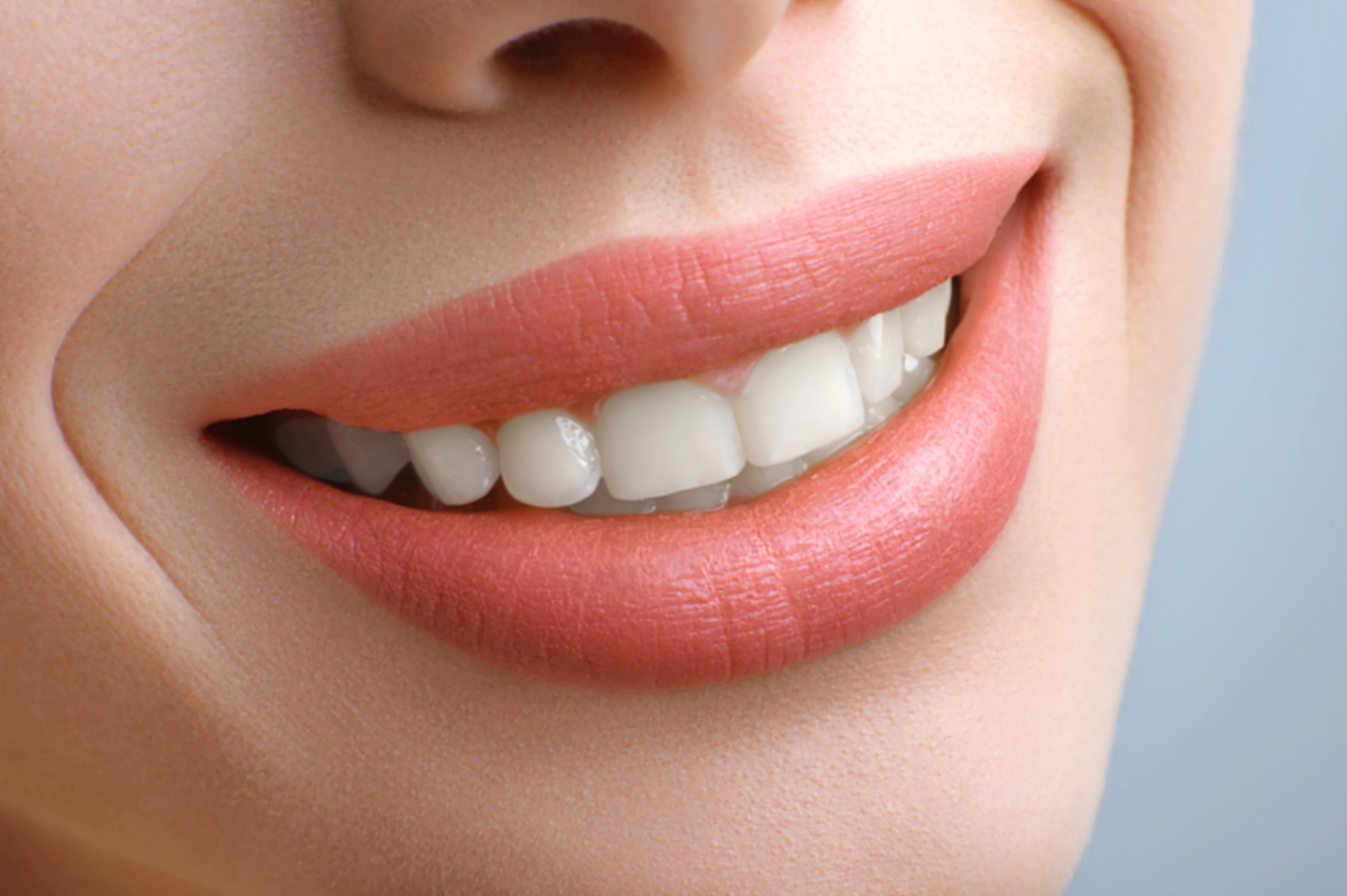
Teeth whitening is one of the most popular cosmetic treatments available today. But here is the truth most people don’t hear first — whitening doesn’t work equally for everyone. If you’re wondering will your teeth whitening work, find out before you start in Omaha, you’re asking exactly the right question. Dr. Falon Pulfer at Whispering Ridge Family Dentistry helps patients understand their candidacy so they invest wisely and get real results.
Why Teeth Whitening Doesn’t Work the Same for Everyone
Whitening treatments use peroxide-based agents to break up surface stains. They work well on natural tooth enamel. However, they cannot change the color of dental restorations or address certain types of deep staining.
There are two main categories of tooth discoloration — extrinsic and intrinsic. Extrinsic stains sit on the enamel surface. These come from coffee, tea, red wine, and tobacco. Intrinsic stains live deeper inside the tooth structure itself.
Whitening products only address extrinsic discoloration. If your staining is intrinsic, whitening will produce little to no visible change. Understanding which type you have is the first step toward choosing the right treatment.
Who Gets the Best Whitening Results in Omaha
Ideal whitening candidates share a few common traits. Knowing these traits helps you self-screen before your appointment. The best results typically occur in patients who meet most of these criteria:
- Have natural teeth with no major restorations in the smile zone
- Experience primarily surface-level, extrinsic staining
- Have healthy gums and no active tooth decay
- Are not pregnant or nursing
- Have realistic expectations about the degree of whitening possible
Patients with mild to moderate yellowing from lifestyle habits tend to see dramatic improvements. These are typically the happiest whitening patients. Professional treatments at Whispering Ridge Family Dentistry provide faster and more even results than over-the-counter kits.
Who May Not Respond Well to Teeth Whitening
Some patients are surprised when whitening doesn’t produce the results they expected. This usually comes down to a few specific factors. Recognizing these early saves you time, money, and frustration.
Dental restorations do not respond to whitening. This includes porcelain veneers, bonding, and Dental Crowns Omaha patients have placed in visible areas. If your front teeth include crowns or veneers, whitening the surrounding natural teeth may create an uneven color mismatch.
Intrinsic staining from medications is another common barrier. Tetracycline antibiotics taken during childhood can cause deep gray or brown banding inside the tooth. Whitening rarely corrects this type of discoloration. Patients in this situation often need veneers or other cosmetic solutions instead.
Fluorosis — caused by excess fluoride exposure during tooth development — can also create white spots or brown patches. These patches may respond inconsistently to whitening. Sometimes they become more noticeable, not less.
Tooth sensitivity and gum recession can also affect candidacy. Exposed dentin increases sensitivity during and after whitening. Dr. Pulfer will assess your gum health before recommending any whitening protocol.
Special Cases: Implants, Crowns, and Veneers
Many Omaha patients have mixed dentition — meaning some natural teeth and some restorations. This is very common. It creates a unique challenge for whitening planning.
Dental implant crowns, porcelain crowns, and veneers are all made from materials that resist bleaching agents. If you’ve received Dental Implants Omaha patients rely on to replace missing teeth, the crown portion will not change shade. Whitening the surrounding natural teeth without accounting for this can result in visible color differences.
The best approach in these cases is to discuss your full smile picture with Dr. Pulfer. Sometimes, whitening the natural teeth first makes sense. Then restorations can be updated to match the new, brighter shade afterward. This requires careful coordination and planning.
Patients with veneers on front teeth are generally not good candidates for whitening alone. Their smile makeover goals are better served through cosmetic consultation rather than a simple bleaching treatment.
What to Expect During a Whitening Candidacy Evaluation
At Whispering Ridge Family Dentistry, every whitening conversation starts with a thorough evaluation. Dr. Pulfer examines both your teeth and your gum tissue before making any recommendations. Here’s what that process typically includes:
- A full review of your dental and medical history
- An examination of existing restorations in the smile zone
- Assessment of gum health and any recession present
- Identification of stain type — extrinsic versus intrinsic
- A discussion of realistic expectations and treatment options
This evaluation ensures that patients who proceed with whitening are the ones most likely to benefit. It also protects patients from investing in a treatment that won’t meet their goals. If whitening isn’t the right fit, Dr. Pulfer will explain what options are available instead.
Alternative cosmetic treatments — such as veneers, bonding, or Invisalign to improve alignment — may better address the underlying concerns. The goal is always to help you leave with a smile you feel confident about.
Tips to Maximize Your Whitening Results
If you are a good candidate, a few habits will help your results last longer. Whitening is not permanent, but you can extend the benefits significantly. Keep these tips in mind after treatment:
- Avoid dark-colored beverages like coffee, tea, and red wine for 48 hours after whitening
- Use a whitening toothpaste approved by your dentist for maintenance
- Schedule regular cleanings to remove new surface buildup
- Avoid tobacco products, which cause rapid re-staining
- Ask about at-home touch-up trays for periodic maintenance
Patients who follow these steps typically enjoy their results for 12 to 24 months. After that, a maintenance whitening session can restore the brightness. Consistency is key to keeping your smile looking its best.
Ready to Find Out If Whitening Is Right for You?
Not every smile is the same, and not every whitening treatment delivers equal results. The smartest move is to get a professional evaluation first. Dr. Falon Pulfer and the team at Whispering Ridge Family Dentistry are here to guide Omaha patients through that process with honesty and care.
You deserve a clear answer — not a guess. Book Now to schedule your appointment with our team.
Frequently Asked Questions
Will teeth whitening work on crowns or veneers?
No. Whitening agents do not change the color of dental crowns, veneers, or bonding material. These restorations are made from porcelain or composite materials that resist bleaching. If you have visible restorations in your smile, speak with Dr. Pulfer about a coordinated cosmetic plan instead.
What causes intrinsic tooth staining that whitening can’t fix?
Intrinsic staining originates inside the tooth structure. Common causes include tetracycline antibiotic use during childhood, excess fluoride exposure during tooth development, and trauma that causes internal bleeding within the tooth. These stains require cosmetic solutions beyond standard whitening.
How long does professional teeth whitening last in Omaha?
Professional whitening results typically last between 12 and 24 months depending on your diet, oral hygiene habits, and lifestyle. Patients who avoid staining foods and beverages and maintain regular cleanings tend to enjoy longer-lasting results. At-home touch-up trays can help extend brightness between visits.
Is teeth whitening safe for people with sensitive teeth?
Whitening can increase sensitivity, especially in patients who already experience it. Dr. Pulfer evaluates your sensitivity levels before recommending a whitening protocol. In many cases, lower-concentration treatments or desensitizing agents can be used to make the process more comfortable and safe.
What is the difference between over-the-counter and professional whitening?
Over-the-counter products use lower concentrations of whitening agents and a one-size-fits-all application method. Professional whitening performed or supervised by Dr. Pulfer uses stronger formulations applied in custom trays for more even, dramatic, and lasting results. Professional treatment also includes a candidacy screening to ensure whitening is appropriate for your specific situation.